
SecureWorld conferences blend world-class keynotes, breakout sessions, small group discussions, and opportunities to earn CPE credits.
-
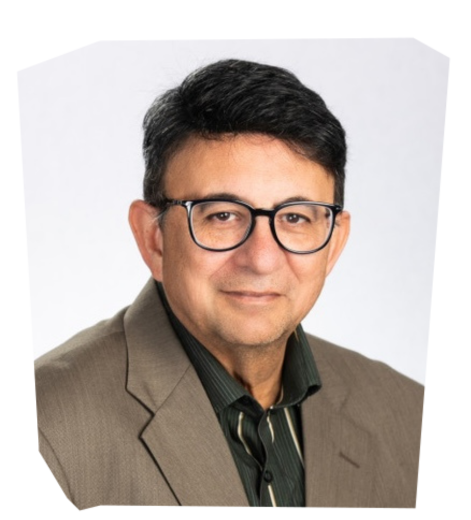 Chair, SAP Cryptography Innovation Hub; Advisor to Security Compliance & Trust Office, SAP
 -
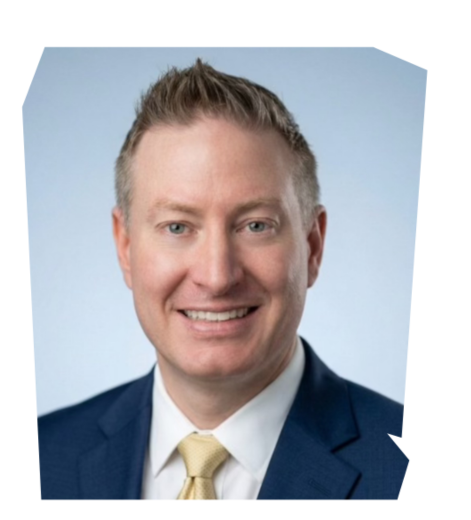 AI and Emerging Risk Strategy Lead, Beazley
 Adjunct Professor, Baylor School of Law; AVP, Cyber Solutions, Crum & Forster
 Managing Partner, Tittmann Weix
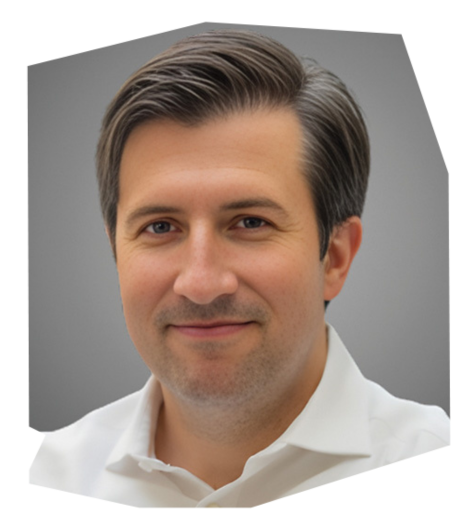 Managing Director, Ankura
 -
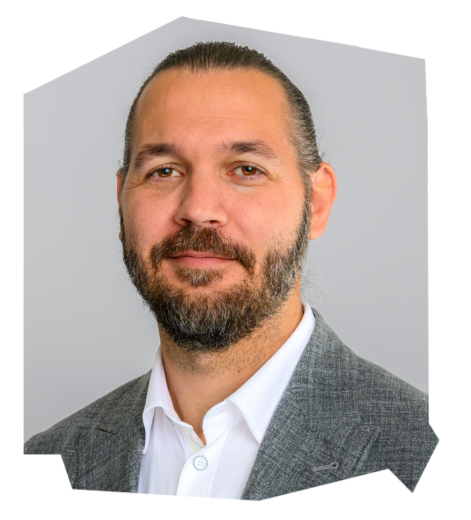 Former CISO & Assistant CTO for Security and Infrastructure, City of Seattle
 Open Sessions
 Conference Pass
 SecureWorld Plus
 VIP / Exclusive
- Wednesday, September 23, 202610:30 amExhibitor Hall openRegistration Level:
- Open Sessions
10:30 am - 5:00 pmLocation / Room: Exhibitor HallYour opportunity to visit our solution vendor partners, whose sponsorship makes SecureWorld possible! Peruse the many downloadable resources each booth has to offer.
11:00 am[Opening Keynote] Cryptographic Proof: Ensuring Confidentiality, Sovereignty, and Control Software Engineer Manager, Google Cloud
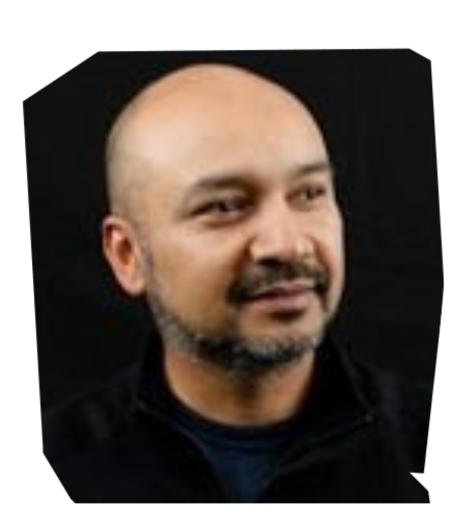 SVP & Distinguished Architect - Security, Salesforce
 Group Product Manager, Google CloudRegistration Level:
- Open Sessions
11:00 am - 11:45 amIn the age of AI, security requires more than just policy—it demands verifiable cryptographic proof. Join us to explore the next generation of trusted infrastructure, built to secure your most sensitive assets without slowing down innovation.
In this session, we will:
- Unveil Confidential External Key Manager: Learn how to maintain complete possession and control of your keys within a highly performant, verifiable, and confidential environment.
- Demonstrate Single-Tenant Cloud HSM: Discover a new standard for cryptographic isolation, offering absolute control over dedicated HSM clusters with zero operational overhead.
- Simplify Compliance & Resiliency: See how Cloud HSM for Google Workspace streamlines compliance for regulated enterprises, alongside new resiliency features for Secret Manager.
11:45 amNetworking BreakRegistration Level:- Open Sessions
11:45 am - 12:00 pmLocation / Room: Exhibitor HallVisit the Networking Hall to network with attendees and connect with our supporting solution providers and association partners.
12:00 pmThe Quantum Cryptography Revolution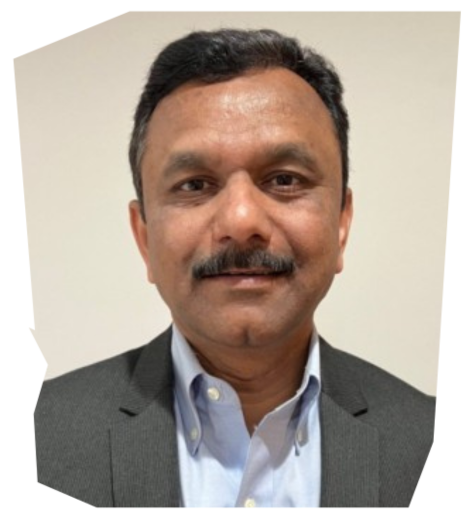 Head of Security Engineering, MassMutualRegistration Level:
- Open Sessions
12:00 pm - 12:45 pmQuantum cryptography isn’t a distant concept; it’s an active, deployable technology that will define the future of secure communication.
This presentation explores how quantum mechanics is reshaping cybersecurity. We’ll cover the limitations of classical encryption in a post-quantum world, the principles behind Quantum Key Distribution (QKD), and real-world implementations already in use. Attendees will also get a glimpse into the quantum-safe future being built today by governments and enterprises globally.
12:00 pmIs Q-Day Worse than Y2K? Strategies for Surviving the Quantum ThreatsChair, SAP Cryptography Innovation Hub; Advisor to Security Compliance & Trust Office, SAPRegistration Level:- Open Sessions
12:00 pm - 12:45 pmQ-Day may lack the public spotlight of Y2K or Mythos, but its risks are far greater: mass data exposure, broken trust, compromised privacy, and disrupted operations. Q-Day—the future moment when quantum computers become powerful enough to break standard digital encryption—could quietly undermine the very foundations of today’s strongest public key cryptography.
This session will define the scope and urgency of the problem: how credible is the quantum threat, what timelines are realistic, and what operational, regulatory, and trust-related failures could occur if organizations remain unprepared. We will explore the impact of quantum threats and outline strategies to implement agility, strengthen resilience, and quantum-safe migration.
12:00 pmCloud Encryption DynamicsRegistration Level:- Open Sessions
12:00 pm - 12:45 pmThe emergence of cloud computing resulted in a boom in attention on encryption. Where has encryption benefited cloud computing, and where have hopes been dashed? What are today’s models, and what impact will the latest technologies—confidential computing, privacy preserving encryption, homomorphic encryption, for example—have in the years ahead? This session will provide an overview of cloud encryption dynamics that probably contradicts at least one thing you believe on that topic. Come join this session and learn from someone that’s lived in the trenches and values constructive debate.
Paul Rich is the Executive Director of Data Management & Protection at JPMorgan Chase & Co. From 1998 to 2019, he worked at Microsoft where he worked with encryption technologies and developed new features in Office 365 for protecting customer data. Paul aspires to evangelize unfortunate truths and debunk popular myths regarding encryption and cloud computing.
12:45 pmNetworking BreakRegistration Level:- Open Sessions
12:45 pm - 1:00 pmVisit the Networking Hall to network with attendees and connect with our supporting solution providers and association partners.
1:00 pmThe Invisible Heist: How Quantum Computing Is Already Attacking Your Encrypted Data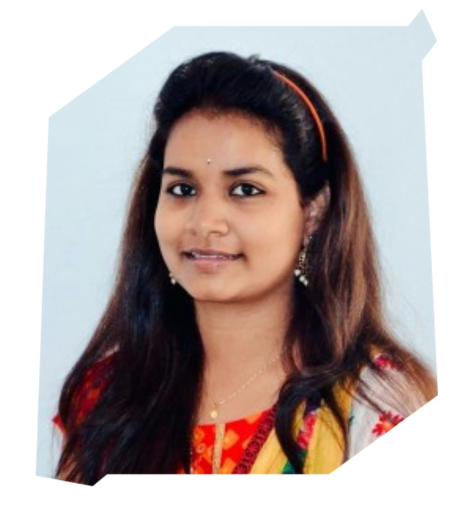 Security Engineer, ConfidentialRegistration Level:
- Open Sessions
1:00 pm - 1:45 pmNation-states are today collecting encrypted organizational communications with one goal: decrypt them when quantum computers arrive. This confirmed strategy—Harvest Now, Decrypt Later—is named in NSA/CISA joint advisories and attributed to nation-state actors including China’s Volt Typhoon and Salt Typhoon groups. Meanwhile, every commercial Quantum Key Distribution system ever independently tested has been defeated through hardware attacks. And in July 2022, a NIST Post-Quantum Cryptography finalist was completely destroyed by a classical laptop attack in 62 minutes.
This session is a practitioner’s field guide to the quantum threat landscape for IT security engineers. No physics background required. We cover six threat domains: HNDL campaigns and which data categories are already at risk; Shor’s and Grover’s algorithms and their precise impact on RSA, ECDH, AES-128, and SHA-256;three physical attacks that defeated commercial QKD hardware with confirmed evidence; implementation vulnerabilities in the surviving NIST PQC standards including timing side-channels in ML-KEM; and a specific week-by-week enterprise migration roadmap based on the 2024 NIST standards.
This session is the result of deep research into published attack papers, hardware demonstrations, and the NIST PQC standardization process—distilled into intelligence that IT security teams can act on immediately.
1:00 pmQ-Day Is a Myth: The Real Timeline for Post-Quantum Migration Founder & Principal Advisor, LaMarr LabsRegistration Level:
- Open Sessions
1:00 pm - 1:45 pmYou’ve been sold a countdown to Q-Day, the morning a quantum computer breaks encryption. That day won’t arrive the way it’s been sold: cryptanalytic capability gets built quietly and used selectively, and whoever gets there first has every reason to say nothing. Meanwhile the real damage is already underway. Encrypted data is being copied and stored today, ready to be unlocked later, and the economics favor the attacker. This session covers what’s actually happening to your long-lived data, how to rank what migrates first, and how to turn that into a business case your board will fund.
Attendees will leave knowing why no one will announce Q-Day, and with a way to rank their own systems by how long each one’s data has to stay secret, which is the ordering that decides what migrates first.
1:00 pmFrom Alert Fatigue to Adaptive Defense: Operationalizing AI in the SOCRegistration Level:- Open Sessions
1:00 pm - 1:45 pmSession details to come.
1:45 pmNetworking BreakRegistration Level:- Open Sessions
1:45 pm - 2:00 pmVisit the Networking Hall to network with attendees and connect with our supporting solution providers and association partners.
2:00 pm[Panel] Our Prediction into the World of Quantum LitigationAI and Emerging Risk Strategy Lead, BeazleyAdjunct Professor, Baylor School of Law; AVP, Cyber Solutions, Crum & ForsterManaging Partner, Tittmann WeixManaging Director, AnkuraRegistration Level:- Open Sessions
2:00 pm - 2:45 pmQuantum litigation does not exist today.
This session examines where the first quantum-related lawsuits are likely to come from, which legal theories are most likely to survive early dismissal, and how the litigation landscape may develop as quantum decryption events begin to occur. Using existing data breach litigation, regulatory enforcement actions, and negligence doctrine as reference points, the panel develops a practical roadmap for a risk that many organizations have not yet assessed.
The discussion begins with claims that are already foreseeable:
- Federal contractors that fail to meet the 2030 post-quantum cryptography deadline
- Software vendors that make quantum-ready representations they cannot support
- Organizations that continue to protect long-life data, such as health records, financial records, and legal communications, with legacy cryptography while harvested data remains vulnerable to future decryption
The panel then addresses a more difficult question. When a quantum decryption event occurs, what must a plaintiff prove? The discussion covers standing, timing of harm, statutes of limitation, and evidentiary requirements. These issues have not yet been tested in court, but there is no reason to assume that quantum-related harms will remain outside the legal system.
The foundation for future negligence claims already exists. Four attorneys will examine how these claims may develop and provide technical practitioners with a practical view of the litigation risks that quantum computing may create.
2:00 pmThe 2027 PQC Control PlaneAI-Orchestrated Cryptographic Discovery, Hybrid Migration, and Safe Rollback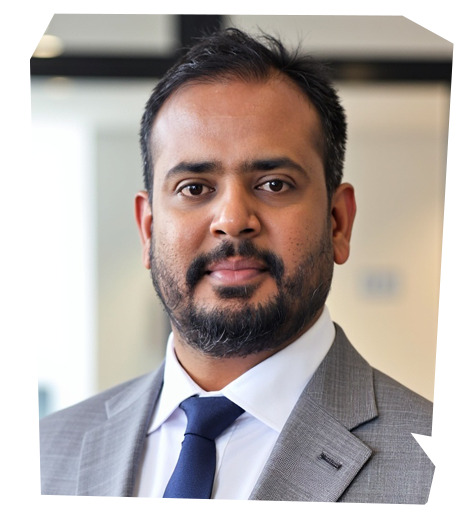 Sr. Security Engineer, Exeter Finance LLCRegistration Level:
- Open Sessions
2:00 pm - 2:45 pmBy 2027, the challenge will no longer be choosing post-quantum algorithms. It will be migrating thousands of hidden cryptographic dependencies without disrupting production. This session will present a vendor-neutral, AI-assisted PQC control plane that continuously discovers quantum-vulnerable cryptography, builds live CBOM and dependency maps, prioritizes migration risk, orchestrates hybrid classical-PQC transitions, validates interoperability and performance, and safely rolls back unsuccessful changes across cloud, identity, and critical-infrastructure environments.
This is timely because NIST’s current work is moving toward automated cryptographic discovery, inventory, testing, and practical migration, while my session would take the audience into the next stage: operational orchestration in 2027.
2:00 pmBeyond Logs: Closing AI-Era Security Blind SpotsRegistration Level:- Open Sessions
2:00 pm - 2:45 pmAI is changing the economics of cyber risk. Vulnerabilities can now be discovered, prioritized, and exploited faster than many organizations can validate their real exposure. A logs-only view is no longer enough because logs show only what systems report, not everything attackers can reach. The highest-risk gaps often sit in east-west traffic, encrypted sessions, fast-moving cloud and container environments, and unsanctioned AI services operating outside formal oversight.
Attendees will learn how network telemetry provides the evidence needed to make better security decisions. It helps teams determine which vulnerabilities are truly exploitable, uncover lateral movement and shadow AI usage, and prioritize detection and remediation around the most critical attack paths. The outcome is not just faster action, but measurably lower cyber risk and stronger business resilience.
2:45 pmNetworking BreakRegistration Level:- Open Sessions
2:45 pm - 3:00 pmVisit the Networking Hall to network with attendees and connect with our supporting solution providers and association partners.
3:00 pmBeyond Post-Quantum: QKD, AI Agents, and the Future of Critical Infrastructure TrustFormer CISO & Assistant CTO for Security and Infrastructure, City of SeattleRegistration Level:- Open Sessions
3:00 pm - 3:45 pmCritical infrastructure is entering a multi-decade trust transition that no single technology will solve. Post-quantum cryptography is now a mandatory foundation for long-lived systems, software supply chains, identity platforms, and sensitive data protection. Quantum key distribution is also moving from research into selective critical infrastructure pilots and demonstrations, but it comes with real operational limits that security leaders must understand. At the same time, AI agents and machine identities are changing what authentication, authorization, delegation, and provenance mean inside enterprise, operational, and security environments. This keynote separates signal from hype and maps where PQC, QKD, AI agents, machine identity, software provenance, and next-generation cyber operations converge, and where they should not be confused. Attendees will leave with a practical trust map for the next five years: what to inventory, what to modernize, what to ask vendors, and how to prepare critical infrastructure for quantum-era and AI-native security risk without chasing science fiction or vendor checklists.
3:00 pmThe Quantum Debrief CNN Military Analyst; U.S. Air Force (Ret.); Founder & President, Cedric Leighton Associates, LLC
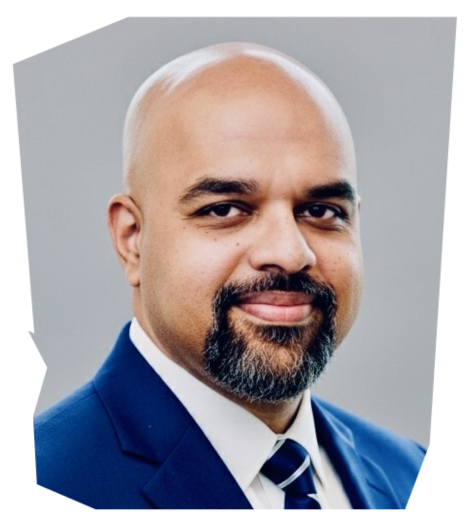 Founding Partner, CYFORIX (Former CISO & Sr. Executive at Keurig Dr Pepper, Comcast, HD Supply, and GE)Registration Level:
- Open Sessions
3:00 pm - 3:45 pmArtificial Intelligence is no longer just a driver of productivity—it is the primary battlefield of modern global conflict. Yet, the foundation supporting today’s AI—from encrypted data pipelines and sovereign compute clusters to decentralized model training—relies on classical public-key cryptography that is fundamentally vulnerable to quantum adversaries. This session connects geopolitical volatility with the immediate risks to model integrity, data sovereignty, and cognitive security at the intersection of AI and quantum computing.
We will examine how major powers (such as China, Russia, and the EU) are racing toward “Harvest Now, Decrypt Later” strategies targeting proprietary model weights, training datasets, and semiconductor supply chains. The discussion then pivots to the integration of Agentic AI in critical infrastructure, highlighting how adversaries are pairing automated exploit engines with side-channel attacks to compromise post-quantum implementations. Join us for a forward-looking strategy that moves beyond ethical frameworks to deliver a battle-tested roadmap for crypto-agility, PQC migration, and model alignment in an era of unprecedented quantum-enabled disruption.
3:00 pmMetamorphosis of Enterprise Governance: Rethinking GRC for an Era of Quantum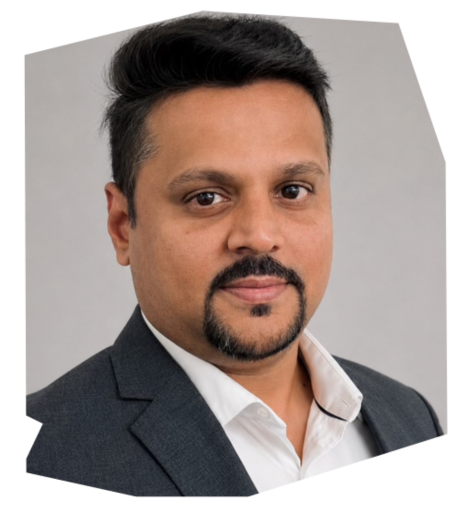 Director, Technology Risk and Control Office, RBC (Royal Bank of Canada)
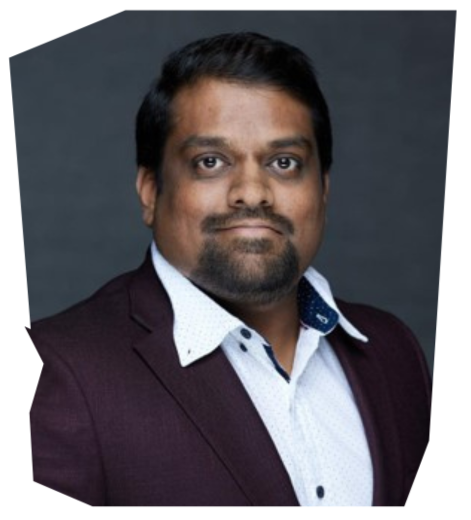 Manager, Risk Advisory Services, ConfidentialRegistration Level:
- Open Sessions
3:00 pm - 3:45 pmToday’s enterprise governance was built around a familiar world: Infrastructure to protect, controls to validate, and incidents to detect. But what happens when the most consequential risk at the intersection of quantum technology and AI is the one that may not materialize for years, yet decisions made today can determine its impact.
Quantum challenges a fundamental assumption in traditional enterprise governance. The data exposed today may become tomorrow’s breach. Cryptographic dependencies embedded across cloud platforms, applications, APIs, identities, and third-party ecosystems become tomorrow’s business threats.
This session introduces the proposed Quantum-Resilient Governance Framework (QRGF),a threat-centric governance approach designed to complement the existing enterprise governance, rather than presenting another approach. Board members, C-suite and executive leaders will explore how emerging quantum risk can be translated into governance decisions, executive accountability, strategic risk ownership, and measurable organizational posture. QRGF does not change what organizations currently protect. It challenges how they govern what is yet to be realized.
3:45 pmNetworking BreakRegistration Level:- Open Sessions
3:45 pm - 4:00 pmVisit the Networking Hall to network with attendees and connect with our supporting solution providers and association partners.
4:00 pmCLOSING KEYNOTERegistration Level:- Open Sessions
4:00 pm - 4:45 pm

 Entrust
Entrust keeps the world moving safely by enabling trusted identities, payments and data protection around the globe. Today more than ever, people demand seamless, secure experiences, whether they’re crossing borders, making a purchase, or accessing corporate networks. With our unmatched breadth of digital security and credential issuance solutions, it’s no wonder the world’s most entrusted organizations trust us.
 F5
F5F5 provides solutions for an application world. F5 helps organizations seamlessly scale cloud, data center, telecommunications, and software defined networking (SDN) deployments to successfully deliver applications and services to anyone, anywhere, at any time. F5 solutions broaden the reach of IT through an open, extensible framework and a rich partner ecosystem of leading technology and orchestration vendors. This approach lets customers pursue the infrastructure model that best fits their needs over time. The world’s largest businesses, service providers, government entities, and consumer brands rely on F5 to stay ahead of cloud, security, and mobility trends
 Google Cloud Security
Google Cloud Security provides organizations with leading infrastructure, platform capabilities and industry solutions to help them solve their most critical business problems. Google Cloud Security helps customers protect their global operations with solutions such as zero trust security, application and data protection, fraud prevention, and threat detection and response.
- Bhaskar AnnadataSoftware Engineer Manager, Google Cloud
Bhaskar is an Engineering Manager at Google Cloud, leading high-impact teams focused on building resilient, enterprise-scale cloud infrastructure and distributed systems. Prior to joining Google, Bhaskar spent several years at VMware, spearheading critical engineering initiatives across virtualization, software-defined networking, and multi-cloud management. With deep technical roots and a passion for engineering leadership, Baskar specializes in modernizing legacy architectures, driving DevOps transformation, and bridging complex infrastructure challenges with customer-centric business value.

- Fiaz HossainSVP & Distinguished Architect - Security, Salesforce
I am an engineering leader at Salesforce, driven by a passion for distributed systems, fault-tolerant architectures, and security. Currently, I lead the Data Security Engineering team within the Salesforce Trust Platform (STP) organization. In this role, I am responsible for securing the bedrock of the enterprise through HSM Root of Trust management, PKI, Secret and Key Management, and Data Resiliency.
My 19-year tenure at Salesforce has been defined by evolving the platform’s most critical layers:
• Security Infrastructure: Beyond my current work in the Trust Platform, I served as a lead individual contributor in Public Cloud engineering, architecting solutions for both commercial and public sector customers.
• System Resilience: As Site Reliability CTO, I spearheaded the transformation of a traditional operations organization into a modern DevOps powerhouse, building the automation and tools necessary to ensure massive-scale fault tolerance.
• Core Innovation: I was one of the early architects of Apex and Visualforce, where I focused on the security and scalability of Salesforce’s core application environment.My expertise in engineering high-availability distributed systems was further honed through technical stints at Twitter, PeopleSoft, and WebMD. I hold an M.S. in Computer Engineering from the University of Kentucky, Lexington.
- Brad MeadorGroup Product Manager, Google Cloud
Experienced product leader with a proven track record of driving innovation and growth in Cloud security at Google. Expertise in data protection, key management, and endpoint security, delivering solutions for large-scale customer bases and achieving significant revenue increases. Proven ability to lead cross-functional teams and deliver impactful business outcomes.
- Sridhar BoddulaHead of Security Engineering, MassMutual
Sridhar Boddula is a cybersecurity executive leader and Head of Security Engineering at MassMutual, where he leads enterprise security modernization across identity, cloud, and data protection, driving digital trust, operational resilience, and business-aligned cybersecurity transformation at scale.
- Sandip DholakiaChair, SAP Cryptography Innovation Hub; Advisor to Security Compliance & Trust Office, SAP
Sandip Dholakia is an author, cryptographer, and seasoned cybersecurity executive with extensive experience in security, privacy, compliance, and emerging technologies. He serves as Chair of the Cryptography Innovation Hub and Advisor to the Security, Compliance, and Trust Office at SAP America. In addition, Sandip serves as Fractional CISO and a member of the Board of Advisors at CogniMind AI, and is a Faculty Member at iANS Research. He holds a U.S. patent and has authored books, research papers, and industry articles on a wide range of cybersecurity and cryptography topics. Throughout his career, Sandip has advised organizations on security strategy, innovation, and risk management, helping bridge the gap between cutting-edge research and practical enterprise security.
- Sindhura KonaSecurity Engineer, Confidential
Sindhura is a cybersecurity engineer specializing in emerging threat analysis and enterprise security architecture. With a practitioner's focus on translating complex security research into actionable guidance, Sindhura brings the grounded, real-world perspective to quantum security that is too often absent from discussions dominated by academic theory or vendor messaging. Her presentations are the result of deep research into published attack papers, hardware demonstrations, and the NIST PQC standardization process—distilled into intelligence that IT security teams can act on immediately.
- Addie LaMarrFounder & Principal Advisor, LaMarr Labs
Addie LaMarr is the founder and principal advisor at LaMarr Labs, a post-quantum cryptography advisory firm. She spent 15 years in cybersecurity, 10 of them securing cryptographic systems inside the US government, in a career that runs from the US Air Force through the Department of Justice. For 8 years in the Air Force she managed encryption systems and cryptographic key material under NSA directives. At DOJ she advised the FBI CISO and the Office of Justice Programs CISO, and contributed to the NIST High Value Asset federal cybersecurity policy project.
- Craig LintonAI and Emerging Risk Strategy Lead, Beazley
As part of the Underwriting Management team at Beazley, I help develop strategy, guidelines, applications, policy language, and best practices around new and emerging cyber risks. I am responsible for running the Underwriting Management AI Strategy Group, the Cross-Product AI Strategy Group, and the AI Exposure Working Group. Each of these groups focuses on how we address the challenges presented by AI.
Before Beazley, I worked as an insurance coverage attorney, which was where I was first exposed to the world of insurance. I studied law at Emory University and also have a degree in Political Science from Furman University.
- Violet SullivanAdjunct Professor, Baylor School of Law; AVP, Cyber Solutions, Crum & Forster
Violet Sullivan leads cyber consulting services at Crum & Forster. She works with insurance carriers, trade associations, and individual business clients from around the world providing expert guidance on cybersecurity threat management and response. She represents Crum & Forster within the legal, insurance, and risk management channels to develop long-term relationships, recurring revenue, and new business growth. Ms. Sullivan is a licensed attorney in Texas and Pennsylvania and a Certified Information Privacy Professional (CIPP/US), with her JD and MBA degrees from Baylor University. In addition to her full-time role, Violet serves as a professor of Cybersecurity & Privacy Law for Baylor Law School’s LL.M. Degree in Litigation Management, the first of its kind nationwide. Her diverse practice experience at both the individual and policy levels has prepared her for developing new tools and approaches to solving what is fast-becoming a pervasive and costly challenge in modern industry: how to respond to a cybersecurity incident.
Early in her career, Violet worked on the incident responses for some of the largest and most notable data breaches to date, including: Home Depot, Sony, and Anthem. Her experience in managing scaled breach responses led to her expertise and proficiency in proactively preparing organizations for cyber incidents. In the past eight years, she has facilitated over 450 cyber incident simulations (tabletops) for public and private sector companies, including many Fortune 100 companies.
As a cybersecurity and privacy attorney, Violet provides consulting services to respond to the needs of various cybersecurity programs. She reviews and develops customized incident response plans to ensure organizations are prepared to respond efficiently and effectively to a data breach. Violet also helps improve internal coordination by facilitating customized tabletop simulations focused on "pressure-testing" an organization's incident response procedures and protocols. Each of these customer-facing services mentioned has been built and developed for the purpose of creating long-standing relationships that turn to Violet for guidance, referrals, questions, and future projects.
As a cybersecurity and privacy professor, Violet developed the entire curriculum for an innovative course on cybersecurity and privacy law for licensed attorneys working toward their LL.M. degree. The specific focus on litigation management has made Sullivan’s course and her lecture series uniquely valuable to experts across the United States.


- Louisa WeixManaging Partner, Tittmann Weix
Tittmann Weix helps insurance claims professionals to manage and resolve their claims in Cyber & Privacy, Media & IP, and Technology E&O. Founded in 2020 by Louisa Weix and Raymond Tittmann, seasoned insurance lawyers, the company is majority woman-owned and Chambers ranked; Best Law Firms, US News.
About me:
- I played rugby for the United States Rugby Team from 1993-1996, and played in the 1993 Canada Cup and the 1994 World Cup. I also played for the Richmond Rugby Club in London.
- Love to travel with my twin daughters—hiking in the Swiss alps or Azores, visiting London and Paris, or road tripping on the Oregon and California coast.
- I have been testing beers all over the U.S. (as an instrumentation specialist) before I became an insurance expert. - Brandon WelchManaging Director, Ankura
- Ankit GuptaSr. Security Engineer, Exeter Finance LLC
Ankit Gupta is a cybersecurity leader with more than 15 years of experience in cloud security, identity protection, and threat detection. He currently leads enterprise security initiatives at Exeter Finance, focusing on building resilient, future-ready architectures. Ankit holds multiple industry certifications, including CISSP and CCSP, and is a contributing author and speaker at IEEE. His work emphasizes secure design, AI governance, and preparing organizations for post-quantum threats.
- Jake HammockFormer CISO & Assistant CTO for Security and Infrastructure, City of Seattle
Jake Hammock is the Chief Information Security Officer, Assistant Chief Technology Officer and Security & Infrastructure Director at the City of Seattle, where he leads the Security & Infrastructure Division delivering citywide cybersecurity, enterprise infrastructure, cloud operations, IT service management, telecom and radio systems, fiber, and network services. He directs programs for incident response, identity and governance, enterprise architecture, and system and network operations, aligning investments to resilience, public safety, and civic administrative priorities across the nation’s 17th largest municipality through This Is Your City programs.
Jake’s career spans executive roles in government and industry. He served as Director of Trust and Vice President of Information Security at NICE inContact, leading board-level cybersecurity and privacy programs during a period of accelerated high growth. He was the Chief Technology Officer for a top 10 global fintech by peak market cap, patenting and deploying technologies used in production today, and later CTO for an energy-sector solutions provider, where he architected AI-driven cybersecurity platforms and advised enterprise energy and public-sector clients. A former U.S. Army Military Intelligence and Cyber Warfare Officer, he commanded Cyber National Mission Force units and served in national security leadership assignments within the Intelligence Community. He is a combat veteran, holds an M.Sc. in Cybersecurity Technology and patents spanning telecommunications, environmental platforms, and decentralized technologies, and he remains active in advancing secure AI, quantum-resilient encryption, data governance, and critical infrastructure protection.
- Col. Cedric LeightonCNN Military Analyst; U.S. Air Force (Ret.); Founder & President, Cedric Leighton Associates, LLC
Cedric Leighton is a CNN Military Analyst and a retired United States Air Force Colonel. On CNN, he has provided incisive commentaries on the Israel-Hamas War, the War in Ukraine, the U.S. withdrawal from Afghanistan, and numerous other conflicts around the world. His analysis has been seen by millions of viewers around the world and provided much needed context to some of the most pressing national security issues of our time. As a U.S. Air Force officer, Colonel Leighton served at U.S. Special Operations Command, the Joint Staff, and the National Security Agency, where he helped train the nation's cyber warriors. A Middle East combat veteran, he is the recipient of numerous military awards, including the Defense Superior Service Medal and the Bronze Star. After serving 26 years as a U.S. Air Force Intelligence Officer, Col. Leighton founded a strategic risk consultancy and became the co-founder of CYFORIX, where he advises multinational businesses on developing better cyber strategies designed to reduce risk and unpredictability.
- VJ ViswanathanFounding Partner, CYFORIX (Former CISO & Sr. Executive at Keurig Dr Pepper, Comcast, HD Supply, and GE)
VJ Viswanathan is a global technology and security executive with more than 25 years of experience spanning AI, cloud and enterprise platforms, cybersecurity, privacy, and technology risk. He has held senior executive roles at large enterprises, including Keurig Dr Pepper, Comcast, HD Supply, and GE, where he led technology, cybersecurity, privacy, and risk programs across highly complex and distributed environments.
Today, VJ works with boards and executive teams on the security challenges created by AI, automation, and digital sprawl—helping leaders understand where traditional security models fall short and how to adapt. He currently serves as Founding Partner of CYFORIX and CEO of TORQE, focused on strategic defense and enterprise transformation.
- Naveen SarvadaDirector, Technology Risk and Control Office, RBC (Royal Bank of Canada)
Naveen Sarvada is a cybersecurity and IT risk executive who owns the end-to-end cybersecurity and IT risk function for a U.S. banking entity, operating at the intersection of CISO, CIO, and enterprise risk leadership, and engaging directly with regulators on the bank's technology and cyber risk posture. His career spans top global consulting firms and some of the largest U.S. bank M&A transactions, where he directed cyber risk governance from due diligence through post-merger integration. He is recognized for a disciplined, data-driven leadership style and deep expertise across cybersecurity, IT risk, GRC, AI governance, and regulatory compliance. His executive focus is on shaping the next era of cybersecurity, technology risk, AI governance, and quantum governance, where risk leadership informs strategy, strengthens resilience, and earns regulator and board confidence.
- Karthik LokeshManager, Risk Advisory Services, Confidential
Karthik Lokesh is an Cybersecurity and IT Risk professional with more than a decade of experience associated with top consulting firms leading multiple engagements to transform organizations to strengthen their security governance, architecture, and enterprise risk management across complex and highly regulated technology environments. His career is focused on enabling cyber resilience by liaisoning across cyber governance & strategy, enterprise architecture, and engineering..
With a Master's degree in Information Security Management, Karthik's expertise includes security operations, security architecture, threat modeling, Secure SDLC, API governance, cyber risk assessments, technology regulatory compliance, and executive risk reporting. Throughout his career, he partnered with engineering, architecture, infrastructure, privacy, legal, and business stakeholders to improve security decision-making while balancing operational, regulatory, and business priorities.
His recent contributions to thought leadership include the development of an AI-Driven Secure SDLC Framework, a Threat-Informed Risk and Governance Framework, and a Quantum-Resilient Governance Framework.
Hone your skills and knowledge and earn 6 CPE credits.
